DR Properties Management Property Management Services
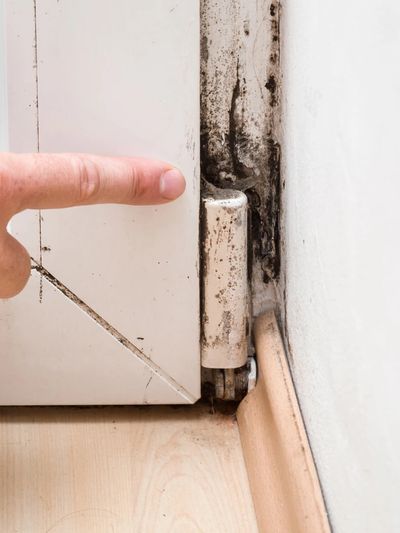
Damp, Mould & Condensation
Types of Damp
- Condensation: The most common type, caused by excess moisture in the air (e.g. cooking, showering, drying clothes indoors).
- Rising Damp: Moisture rising from the ground through walls (less common).
- Penetrating Damp: Water entering from outside due to leaks or structural issues.
How to Reduce Condensation & Prevent Mould
- Keep your home well ventilated – open windows regularly or use extractor fans.
- Use lids when cooking and keep kitchen/bathroom doors closed when in use.
- Dry clothes outdoors where possible, or use a well-ventilated space.
- Avoid drying clothes indoors without ventilation.
- Maintain low, consistent heating rather than short bursts of high heat.
- Avoid placing furniture directly against walls to allow airflow.
Preventing Mould & Condensation with a Dehumidifier
A dehumidifier is a simple and effective way to control excess moisture in your home, helping to prevent mould and reduce condensation.
How it helps:
- Keeps humidity at a healthy level (around 30%–50%)
- Reduces condensation on windows and walls
- Makes it harder for mould to grow
- Helps dry out damp rooms, clothes, and furnishings
Top tips for best results:
- Use the dehumidifier in rooms prone to damp (e.g. bedrooms, kitchens, bathrooms)
- Keep doors and windows closed while it’s running
- Empty the water tank regularly
- Combine with good ventilation (open windows briefly each day)
- Using a dehumidifier alongside regular airing of your home can make a big difference in keeping your living space dry, healthy, and mould-free.
Dealing with Black Mould
- Wipe away mould as soon as it appears using appropriate cleaning products.
- Keep affected areas dry and well ventilated.
- Do not paint over mould without treating it first.
- Report persistent or severe mould issues to your landlord or agent promptly.
- Keeping moisture levels low and ensuring good airflow are the best ways to prevent damp and mould in your home.